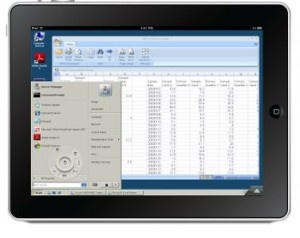
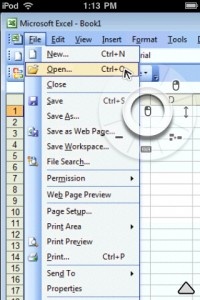
It’s pretty much inevitable that technology is moving towards the cloud. How it gets there however is still anyone’s guess. Services like Apple’s upcoming iCloud have users rent out third-party servers to share their content. The latest update to Wyse Technology’s PocketCloud app, version 2.2, takes a different approach: instead of buying someone else’s space users just create their own.
Free for the first month and $1 a month afterwards, the new PocketCloud allows users to turn existing storage on their hard drives, computers, tablets and smartphones into personal cloud space. This frees users from third-party control and privacy issues. A professional version is also available For $14.99 a month that includes enhanced security features and support for additional computer connections.
PocketCloud has already been downloaded over 1.5 million times since debuting on the App Store and Android Market back in December. This update still contains the virtual desktop features that sold people on the app in the first place as well as new in app purchases and support for iPad 2 video mirroring among other new features. However, the biggest thing about this latest update is that what began as a mere virtual desktop has become a potentially viable alternative to big cloud storage providers.

Released: 2010-12-02 :: Category: Productivity

Cloud computing is something we’ve discussed before and for a very good reason – it’s not only hugely useful but also potentially the future of a lot of technology. In the case of Wyse PocketCloud, it enables users to have access to their Windows or Mac based computer through their iPhone or iPad. Users can then access any file they wish, browse the web (including all important Flash sites) and run any applications they wish on their desktop. We already covered much of what PocketCloud is capable of
Wyse Technology recently launched the free edition of their popular app PocketCloud for the iPad, iPhone, and iPod Touch. Now users can access their home or work computers for free, regardless of what kind of operating system they are on. 


]